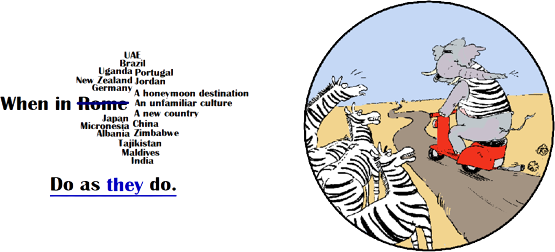
Don't underestimate the importance of gift-giving: Giving and receiving gifts is a common practice in Armenian business culture. When attending meetings or events, consider bringing a thoughtful gift that reflects your home country's culture.
--Levon
10
Don't take pictures during the religious ceremony: If the wedding includes a religious ceremony, it's essential to be respectful and refrain from taking photos or videos during this sacred part of the event.
--Levon
10
Ask locals if you need help, most younger people speak English, and everyone can speak Russian. Don’t be surprised if older people don’t speak English.
--Lilit
10
Don’t be surprised if you see groups of young men dressed mostly in black and using expressive language. They are often referred to locally as “qyart,” which describes a distinct youth style rather than something negative. They are generally social and part of the city’s everyday life.
--Lilit
10
Don’t be surprised if someone offers to hold your bag on the bus so you can stand more comfortably, or if they scoot over to make space. It’s not suspicious — people are simply being helpful.
--Lilit
10
If you’re traveling with kids, don’t be surprised if locals stop to compliment them or ask questions. This curiosity is friendly and comes from affection, not intrusion.
--Lilit
00
Armenian culture places value on food, and wasting it is considered disrespectful. Try to take only what you can finish and avoid leaving large amounts of food on your plate.
--Anna
00
Don't forget to greet in Armenian: When meeting someone for the first time or entering a shop or establishment, it's polite to greet the person in Armenian. A simple "Barev (hello)" or "Bari galust (welcome)" can go a long way in showing respect for the local language and culture.
--Levon
00
Don’t be surprised or judgmental if adults live with their parents. In Armenia, strong family support and parental involvement are normal and valued.
--Lilit
00
When sitting on the floor or at a low table, avoid pointing the soles of your feet directly at others. This gesture is considered rude in Armenian culture.
--Arman
00
Do not be surprised to hear Armenians using the French word "merci" when saying thank you ... the other option is to go local and say "shnorrhakalutsjun".
--Gaz
10
Pedestrians are supposed to have the right of way, but do not count on it. Armenian drivers can be aggressive when zipping through intersections. Double check before crossing the street!
--Gaz
10
Watch out for pedestrians when driving, because unfortunately, jaywalking is very common.
--Lilit
10
Yerevan’s city center is very walkable, and many places are best explored on foot. The metro is the fastest and most reliable way to get around, especially during busy hours.
--Lilit
10
Folk dances are a major part of Armenian culture, and almost no celebration happens without them. Every dance and movement carries meaning, tells a story, and has a purpose. Armenians are usually happy to teach visitors the steps, so don’t hesitate to join in and try.
--Lilit
10
Tap water in Armenia is safe to drink, especially in Yerevan. You’ll also find public drinking fountains around the city, often marked and commonly used by locals. Feel free to drink from them — they are meant for public use.
--Lilit
10
If you rent a car in Armenia, be prepared for emotional and expressive driving. Horns are used often, but not always in anger — drivers may use them to show gratitude, give a quick warning, or get attention. It’s part of the local driving style.
--Lilit
10
In many supermarkets, a cashier or worker will pack your groceries for you. However, larger supermarkets often also have self-checkout sections where you can pack and pay on your own.
--Lilit
10
Armenia has train connections from the capital to other cities. Trains are not very fast, but the routes are scenic and enjoyable. If you’re not on a tight schedule, traveling by train can be a pleasant experience.
--Lilit
10
Dress modestly when visiting churches and monasteries. Remove hats and be respectful of services. Photos are usually allowed.
--Lilit